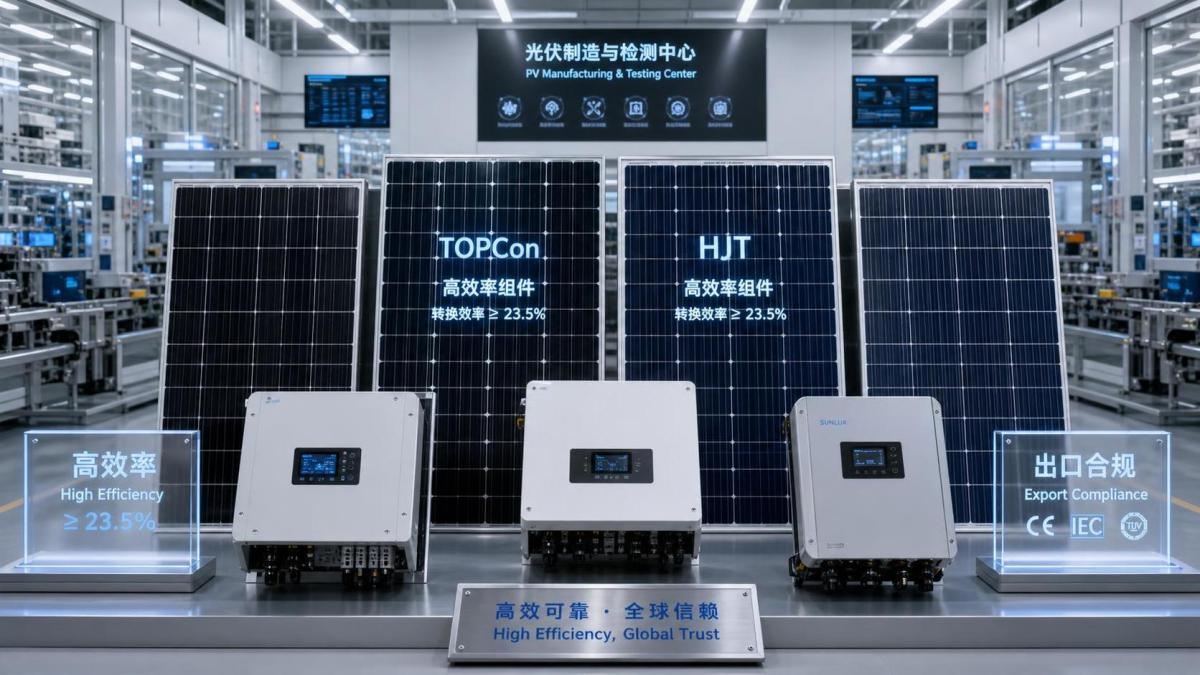
China Sets Mandatory Efficiency Rules for PV Exports in New National Standards
auth.Dr. Liang ChenTime
Aug 17, 2026Click Count
China has approved and released three mandatory national standards for the photovoltaic sector, including rules on minimum energy efficiency values and energy efficiency grades for crystalline silicon PV modules and inverters. According to the information provided for this update, the new requirements were jointly approved by three ministries on July 2, 2026, and for the first time impose rigid efficiency and energy-consumption constraints on key products including TOPCon and HJT modules as well as inverters.
The policy matters beyond the domestic market because it covers major export product categories. From January 1, 2027, compliance may become a practical entry condition for overseas buyers evaluating Chinese suppliers, especially where procurement decisions depend on technical qualification, product validation, and delivery planning.

A Compliance Issue That Extends Into Trade Execution
The immediate significance of the new standards is not only technical. By setting mandatory thresholds and classification rules, the policy creates a more formal compliance framework around products that are already central to export shipments. For suppliers, that may shift part of the commercial discussion with overseas customers from price and availability toward documented conformity, testing readiness, and production consistency.
For buyers, the change could affect vendor screening. If products such as TOPCon and HJT modules now face explicit efficiency grading and energy-consumption requirements, procurement teams may need to revisit qualification checklists, request updated technical materials, or adjust acceptance timelines ahead of implementation. In practice, this could influence how quickly orders move from negotiation to final confirmation.
What the Market Is Likely to Watch
Based on the information currently available, the most relevant near-term question is how exporters prepare for the transition before the January 2027 effective date. The standards may not alter demand on their own, but they could reshape how suppliers demonstrate readiness. Manufacturers with smoother internal verification and documentation processes may be better positioned when overseas customers begin asking for proof of compliance.
Another point worth watching is delivery rhythm. Where orders are tied to product validation or contract milestones, any gap between the new mandatory requirements and existing certification or testing workflows could slow execution. That does not mean disruption is certain, but it does suggest that compliance preparation may become part of normal order management rather than a separate regulatory issue.
A Policy Signal for the Supply Chain
The release of mandatory standards for module and inverter efficiency also sends a broader signal about product governance in photovoltaic manufacturing. From the facts provided, the direction is clear: key equipment categories are moving under more explicit performance and energy-use constraints. For the supply chain, this may raise the importance of standard-based technical communication between manufacturers, channel partners, and end buyers.
At this stage, the most reliable basis for interpretation remains the published policy information itself and any subsequent official announcements, standard documents, regulatory updates, company disclosures, and industry association materials that clarify implementation details. Those sources will be important for assessing how strictly the new rules are applied in export transactions and whether further technical guidance follows before the standards take effect.
Recommended News
- 00
0000-00
What determines the bulk price of TOPCon solar panels?TOPCon solar panel bulk price factors explained: compare specifications, volume, warranties, certifications, logistics, and risk for smarter solar procurement. - 00
0000-00
China Sets Mandatory Efficiency Rules for PV Exports in New National StandardsChina’s new mandatory PV efficiency standards could reshape exports, compliance, and buyer screening for TOPCon, HJT modules, and inverters. - 00
0000-00
How to Evaluate a TOPCon Solar Panel Wholesaler for Quality, Pricing, and Supply StabilityTopcon solar panel wholesaler evaluation guide: learn how to verify module quality, compare real landed pricing, and secure stable supply before choosing a reliable partner.
000000-00
{item.title}{item.description}Search News
Industry Portal
Hot Articles
- What determines the solar tracker price for utility-scale projects?Solar tracker price for utility-scale projects depends on steel, site conditions, controls, logistics, installation, and lifecycle value. Learn how to compare proposals wisely.
- Which machinery parts wear fastest in solar tracker drive systems?Machinery parts in solar tracker drive systems wear fastest at slew drives, bearings, motors, and couplings. Discover warning signs and maintenance tips.
- How grid monitoring systems improve outage response in the Middle EastDiscover how grid monitoring systems Middle East utilities use to locate faults faster, prioritize critical loads, and improve outage response across complex power networks.
Popular Tags